
Gynecological Diseases Treatment in Ahmedabad
Heavy periods. Pelvic pain that keeps coming back. A diagnosis handed to you in two words with no explanation of what happens next.
Gynaecological problems are rarely just one thing, and the symptoms overlap heavily - heavy bleeding alone can point to fibroids, adenomyosis, a hormonal cause or something else entirely.
At Divine Women's Hospital, Ahmedabad, Dr. Devang Patel, Gynaecologist and Laparoscopic Surgeon, investigates the cause rather than settling the symptom - because treating the wrong thing leaves you no better.
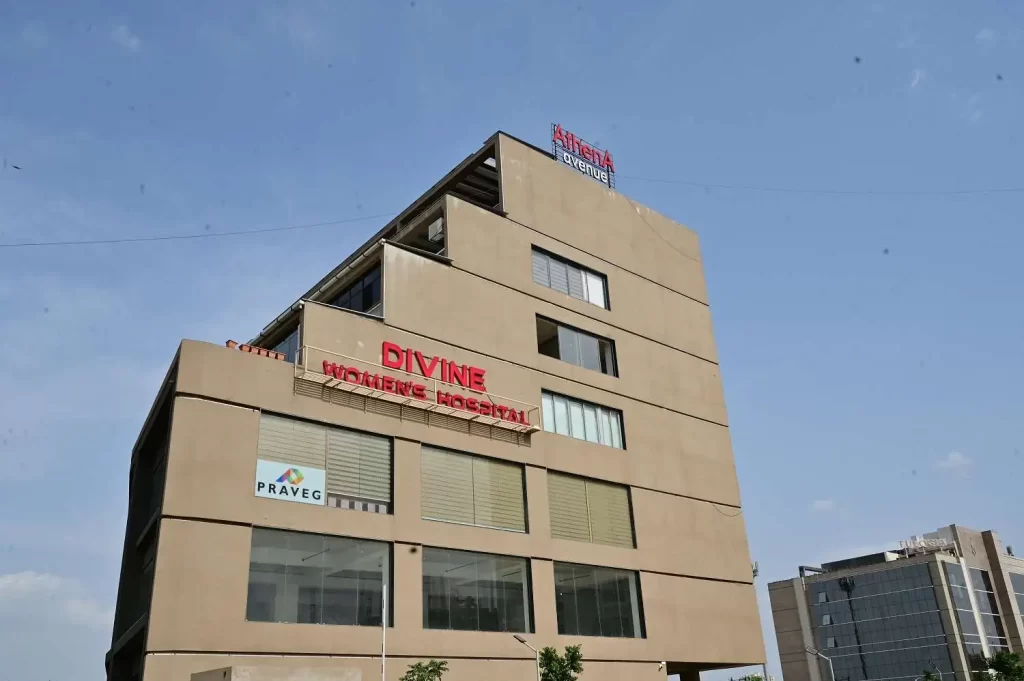
Heavy periods, pain, discharge, fibroids, cysts and menopause changes are common, and none of them deserve to be dismissed. We investigate properly and treat conservatively wherever that works.
A complete guide to gynecological conditions, symptoms, diagnosis, and treatment options available at Divine Women’s Hospital.

Gynecological health covers everything from menstrual cycles to menopause, and problems anywhere in that range deserve a clear explanation, not just a diagnosis. This guide walks through the most common gynecological conditions, what causes them, how they’re diagnosed, and how they’re treated so you know what to expect before you ever sit down with a doctor.
This page is for general educational purposes and does not replace professional medical advice, diagnosis, or treatment. Gynecological symptoms can have multiple causes with different levels of urgency. Always consult a qualified gynecologist for guidance specific to your situation.
Gynecological diseases are conditions affecting the female reproductive system - uterus, ovaries, fallopian tubes, vagina, and vulva. Common examples include menstrual disorders, fibroids, ovarian cysts, endometriosis, infections, and menopause-related issues. Treatment ranges from medication and hormonal therapy to minimally invasive laparoscopic surgery, depending on the specific condition and its severity.
Key Takeaways
- Gynecological diseases span a wide range - from menstrual irregularities to fibroids, cysts, endometriosis, and menopause-related issues
- Many conditions share overlapping symptoms, so an accurate diagnosis needs a proper clinical evaluation, not self-assessment
- Treatment options range from medication to minimally invasive laparoscopic surgery, matched to the specific condition and its severity
- Early evaluation generally means more treatment options and simpler management
- Divine Women’s Hospital’s gynecology team, led by Dr. Devang Patel, diagnoses and treats the full range of these conditions in-house
What This Guide Covers
This guide walks through gynecological health in the order most patients need it: what conditions fall under “gynecological disorders,” the symptoms that should prompt a visit, why these conditions develop, how doctors diagnose them, and the treatment options available - from conservative management to surgery. It closes with prevention guidance and direct links to dedicated pages for specific conditions like PCOD/PCOS, endometriosis, fibroids, and ovarian cysts, where you’ll find condition-specific detail beyond what a general overview can cover.
Symptoms of Gynecological Conditions
Gynecological conditions can present very differently depending on the underlying cause, but certain symptoms are common red flags worth getting evaluated:
- Menstrual changes : heavy periods, very light or absent periods, irregular cycles, or unusually painful periods can all signal an underlying condition, from hormonal imbalance to fibroids.
- Pelvic pain : persistent or recurring pain in the lower abdomen, whether constant or tied to your cycle, is one of the most common reasons women see a gynecologist.
- Abnormal discharge or bleeding : discharge with unusual color, odor, or consistency, or bleeding between periods or after menopause, warrants evaluation.
- Pain during intercourse : can point to conditions like endometriosis, infections, or vaginal dryness related to menopause.
- Abdominal masses or bloating : a persistent sense of fullness or a noticeable mass can indicate fibroids or ovarian cysts.
- Urinary symptoms : urgency, frequency, or leakage (urinary incontinence) is common, especially after childbirth or with age.
- Menopausal symptoms : hot flashes, vaginal dryness, and mood changes are common as hormone levels shift.
Symptom overlap between conditions is common heavy bleeding, for example, can point to fibroids, hormonal imbalance, or PCOD. This is why a clinical evaluation, not self-diagnosis, matters.
What Causes Gynecological Disorders
Gynecological conditions generally trace back to a handful of underlying mechanisms:
- Hormonal imbalance : fluctuations in estrogen and progesterone drive many conditions, including irregular periods, PCOD/PCOS, and menopausal symptoms.
- Structural changes : fibroids, polyps, and ovarian cysts involve abnormal tissue growth within or around reproductive organs.
- Infections : bacterial, fungal, or sexually transmitted infections can affect the vagina, cervix, or upper reproductive tract.
- Tissue growth outside the uterus : in endometriosis, tissue similar to the uterine lining grows elsewhere in the pelvis, causing pain and, in some cases, infertility.
- Age-related changes : declining hormone levels around menopause bring their own set of symptoms and risks, including urinary incontinence and vaginal dryness.
- Genetic and lifestyle factors : family history, weight, and metabolic health all influence risk for several gynecological conditions, particularly PCOD/PCOS and certain cancers.
Most gynecological conditions aren’t caused by a single factor they’re usually a combination of hormonal, structural, and sometimes genetic influences, which is part of why an accurate diagnosis needs proper clinical evaluation.
How Gynecological Conditions Are Diagnosed
Diagnosis typically starts with a detailed history and pelvic examination, where your doctor asks about your cycle, symptoms, and any relevant family history.
Ultrasound is the most common next step a transvaginal or abdominal ultrasound can identify fibroids, ovarian cysts, and structural abnormalities.
Blood tests help assess hormone levels, useful for diagnosing PCOD/PCOS, thyroid-related menstrual issues, and menopausal status.
Pap smear and HPV testing screen for cervical changes and are a routine part of gynecological care.
Hysteroscopy or laparoscopy may be recommended when a more direct, visual diagnosis is needed for example, to confirm endometriosis or evaluate unexplained infertility. These procedures can often move from diagnosis straight into treatment in the same sitting.
The right combination of these depends on your specific symptoms your doctor will tailor the diagnostic path rather than running every test for every patient.
Treatment Options for Gynecological Conditions
Treatment is matched to the specific diagnosis, and generally follows a step-up approach starting with the least invasive option that effectively manages the condition.
- Medication and hormonal therapy : birth control pills, hormonal treatments, and pain management address many conditions, including menstrual irregularities, PCOD/PCOS, and early-stage endometriosis, without surgery.
- Antibiotic or antifungal treatment : for infections, targeted medication typically resolves the issue.
- Minimally invasive laparoscopic surgery : for conditions like fibroids, ovarian cysts, endometriosis, and certain infertility cases, laparoscopic surgery treats the underlying issue through small incisions, with faster recovery than open surgery.
- Hysteroscopic procedures : used for conditions inside the uterine cavity, such as polyps or a uterine septum, without any external incision.
- Surgical management for complex or advanced cases : including hysterectomy or gynecological cancer surgery, reserved for cases where more conservative options aren’t appropriate.
At Divine Women’s Hospital, Dr. Devang Patel performs the full range of these procedures, including:
- Laparoscopic hysterectomy
- Myomectomy (fibroid removal)
- Infertility surgery
- Family planning surgery (tubal ligation)
- Surgery for endometriosis
- Laparoscopic ovarian tumor surgery
- Laparoscopic surgery for chronic pelvic pain
- Surgery for gynecological cancers
For condition-specific treatment detail including what to expect, recovery timelines, and fertility considerations see the dedicated pages linked in the Explore Specific Conditions section below.
The Evidence Behind Gynecological Care
Gynecological conditions are among the most well-studied areas of women’s health, with clinical guidelines from bodies like the American College of Obstetricians and Gynecologists (ACOG) and the World Health Organization shaping standard care worldwide.
Minimally invasive laparoscopic and hysteroscopic techniques are now the established standard for many gynecological surgeries, replacing open surgery in most eligible cases due to consistently documented benefits: smaller incisions, lower infection risk, and faster recovery.
Hormonal management for conditions like PCOD/PCOS and endometriosis is supported by decades of clinical use, with treatment protocols regularly updated as research clarifies which approaches work best for which patients.
Early diagnosis remains one of the most consistently supported findings across gynecological research - for conditions ranging from endometriosis to gynecological cancers, earlier evaluation is linked to more treatment options and better outcomes.
Honest Risk Information
Every treatment path carries some risk, and it’s worth understanding before you start:
- Hormonal treatment can cause side effects like mood changes, weight fluctuation, or spotting, especially in the first few months most settle over time, but should be reported to your doctor if persistent.
- Laparoscopic and hysteroscopic surgery carry the standard surgical risks of any procedure infection, bleeding, or anesthesia-related reaction though these are less common than with open surgery, given the smaller incisions involved.
- Recurrence is possible for several conditions, including endometriosis and certain cysts, even after successful treatment ongoing monitoring is often part of the care plan, not a sign treatment failed.
No treatment eliminates risk entirely. Your doctor will walk you through the specific risk profile for your diagnosis and treatment plan before you proceed.
Reviewed by Dr. Devang Patel, Gynecologist & Laparoscopic Surgeon, Divine Women’s Hospital, Ahmedabad. View full profile
Prevention Tips
While not every gynecological condition is preventable, these habits support reproductive health and help catch problems early:
- Get regular gynecological checkups, even without symptoms many conditions are found earliest during routine screening
- Track your menstrual cycle so you notice changes in timing, flow, or pain that are worth mentioning to your doctor
- Don’t ignore persistent pain chronic pelvic pain is never “just something to live with”
- Stay up to date on Pap smears and HPV screening as recommended for your age group
- Maintain a healthy weight, since weight affects hormonal balance and several conditions, including PCOD/PCOS
- Practice safe sex to reduce infection risk
- Don’t skip follow-up visits after treatment recurrence monitoring matters for several conditions
Early evaluation is consistently the single biggest factor in keeping gynecological conditions manageable.
Explore Specific Conditions
This page covers gynecological health broadly. For detailed, condition-specific guidance, explore:
Gynaecological Treatment Specialist in Ahmedabad

At Divine Women's Hospital, Ahmedabad, gynaecological care runs from routine wellness and screening through to complex minimally invasive surgery, under one roof.
Dr. Devang Patel is a Gold Medalist in M.D. Obstetrics & Gynecology and an experienced laparoscopic surgeon. Where surgery is needed it is usually keyhole, and where it is not, that is said plainly.
Divine Women's Hospital provides gynaecological care with a focus on minimally invasive surgery and women's reproductive health.
Investigating the cause takes longer than treating the symptom. It also works.
If something has not felt right for a while, an evaluation is the place to start.
Frequently Asked Questions
See a doctor if you notice persistent pelvic pain, abnormal bleeding, unusual discharge, painful periods that disrupt daily life, or any bleeding after menopause. Earlier evaluation generally means more treatment options.
Why families across Gujarat trust Divine Women's Hospital
Choosing where to be cared for is a personal decision, and it usually comes down to one question: will someone actually listen to me? At Divine Women's Hospital, that is where every consultation begins. Our senior consultants stay with you from the first visit through recovery, so you never have to repeat your story to a new face.
One consultant, start to finish
The doctor who examines you is the doctor who plans your treatment and performs your procedure. Continuity is not a luxury here, it is the baseline.
Explained in plain language
Reports are walked through line by line, in Gujarati, Hindi or English, until the plan makes sense to you and the family member sitting beside you.
Modern theatre and imaging under one roof
Laparoscopy suites, fetal-medicine grade ultrasound, NICU support and 24x7 emergency cover mean fewer referrals and less waiting between steps.
Honest, itemised costs
You receive a written estimate before admission. If the plan changes, we tell you why before anything is done.
Questions women ask us most
My periods are heavy. Do I need surgery?
Often not. Hormonal treatment, an intrauterine device or correcting anaemia and thyroid issues resolves many cases. Surgery is discussed only when it is genuinely the better option.
How often should I have a check-up?
A yearly review with a pelvic examination and, from thirty onwards, cervical screening as advised.
Related Articles

23 April 2026
Minimally Invasive Gynecological Treatments: What Patients Should Know
Advancements in medical science have transformed the way gynecological conditions are treated. Today, minimally invasive gynecological treatments offer safer, faster, and more comfortable solutions compared to traditional surgeries. These modern techniques focus on reducing pain, minimizing recovery time, and improving overall patient outcomes. For women seeking effective care, understanding these options is essential.
Read more
29 September 2025
Gynecological Check-ups in Ahmedabad: Why They Matter
Regular gynecological check-ups are essential for women of all ages. These visits not only help in the early detection and treatment of conditions but also promote long-term reproductive and overall health.
Read more
7 July 2023
Laparoscopy Surgery: Advancing Minimally Invasive Medical Techniques In Gynecological Disorders and problems
In recent years, there has been a rapid advancement in health care & medical technology. Among these groundbreaking innovations is laparoscopic surgery, which is commonly referred to as keyhole surgery or minimally invasive surgery. This approach offers substantial benefits compared to traditional open surgery, making it progressively more appealing to both patients and physicians.
Read moreWe are here for you
Book a consultation with Ahmedabad's trusted women's health team
Internationally certified obstetricians, gynecologists and fertility specialists, available 24×7 for you and your baby.