
Endometriosis Treatment in Ahmedabad
For some women, endometriosis means periods that are difficult to get through. For others, the pain may continue even after the period is over. It can also cause pain during intercourse or sometimes make it harder to conceive.
But endometriosis does not look the same in every woman. Where the disease is present, how much it has affected the pelvis, the symptoms you are experiencing, and whether you are planning a pregnancy all matter when deciding what treatment may be right for you.
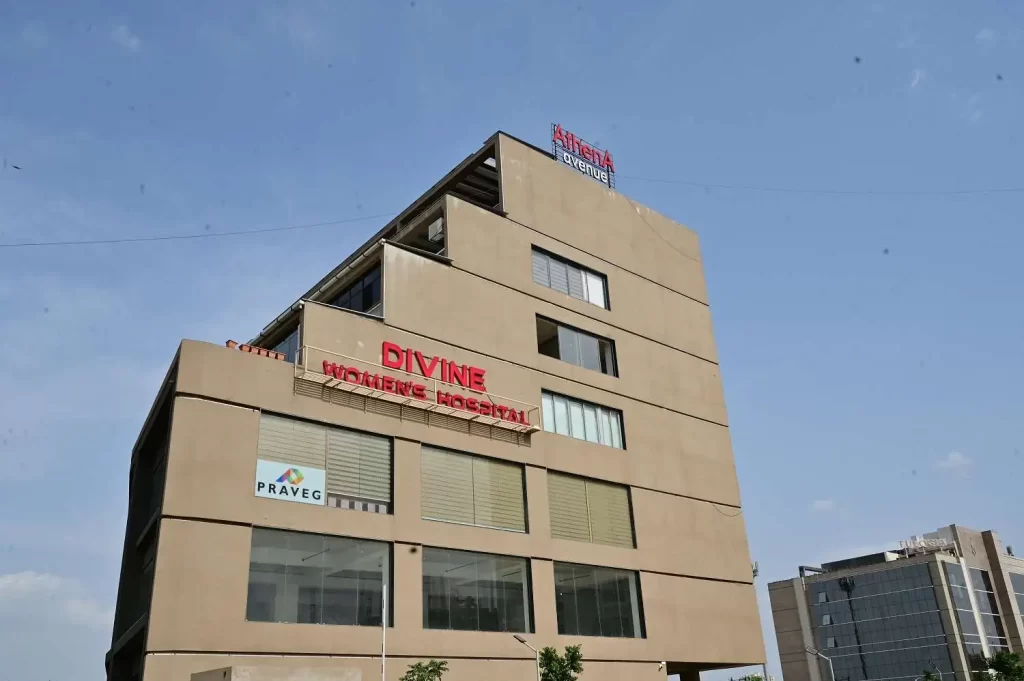
At Divine Women’s Hospital, Ahmedabad, Dr. Devang Patel, Gynaecologist and Laparoscopic Surgeon, has over 14 years of experience. His approach begins with understanding the woman’s individual condition rather than assuming that the same treatment will work for everyone.

Understanding Endometriosis Beyond Painful Periods
What Is Endometriosis?
Endometriosis occurs when tissue similar to the endometrium is found outside the uterus.
These areas can respond to hormonal changes during the menstrual cycle. Repeated inflammation may contribute to pain, adhesions and changes in the surrounding pelvic tissues.
Endometriosis may involve:
- Ovaries
- Fallopian tubes
- Pelvic lining
- Uterus and surrounding tissues
- Bowel
- Bladder
- Other pelvic structures
The location and extent of endometriosis can be different in every patient. This is why two women with endometriosis may have very different symptoms.

Why Does Endometriosis Happen?
There is no single known cause of endometriosis. It is thought to develop from a combination of factors such as hormonal changes, genetics, immune-system responses and the way menstrual tissue behaves in the body. Some women may also have a higher risk because endometriosis runs in their family. Importantly, endometriosis is not caused by anything a woman has done or failed to do.
What Does Endometriosis Feel Like?
| Symptom | What You May Notice |
|---|---|
| Severe Period Pain | Period pain that affects your daily routine, work, studies, sleep, or requires frequent pain medication. |
| Chronic Pelvic Pain | Pain or discomfort in the lower abdomen or pelvis that may continue even when you are not having your period. |
| Pain During Intercourse | Deep pelvic pain during or after intercourse. |
| Pain During Bowel Movements | Pain while passing stool, particularly during or around your periods. |
| Pain While Passing Urine | Urinary pain or discomfort, especially around menstruation, in some cases. |
| Heavy or Irregular Periods | Heavier bleeding or changes in the usual menstrual pattern may occur in some women. |
| Difficulty Getting Pregnant | Some women may have difficulty conceiving, particularly when endometriosis affects the ovaries, tubes or surrounding pelvic tissues. |
Endometriosis can look different in every woman. Having one of these symptoms does not necessarily mean you have endometriosis, but persistent or severe symptoms deserve proper evaluation.
Types of Endometriosis
| Type of Endometriosis | What It Means | Commonly Associated With |
|---|---|---|
| Superficial Endometriosis | Endometriosis lesions are found on the surface of pelvic tissues. | Period pain, pelvic pain and inflammation |
| Ovarian Endometriosis (Endometrioma) | Endometriosis affects the ovary and can form a cyst, commonly called a “chocolate cyst.” | Pelvic pain, painful periods and sometimes difficulty conceiving |
| Deep Endometriosis | Endometriosis grows deeper into the tissues and may involve areas around the bowel, bladder, ureters or other pelvic structures. | Severe pelvic pain, painful intercourse, bowel or urinary symptoms |
The type and location of endometriosis can vary from one woman to another. Treatment is therefore decided based on the symptoms, extent and location of the disease, fertility plans, ovarian health and overall clinical situation.
How Is Endometriosis Diagnosed?
Diagnosing endometriosis usually starts with understanding what you are experiencing, when the symptoms occur, and how they affect your daily life. Depending on the situation, your gynaecologist may recommend:
- Medical History: Discussing period pain, pelvic pain, painful intercourse, bowel or urinary symptoms, previous treatment and fertility concerns.
- Clinical Examination: A gynaecological examination may be advised based on your symptoms.
- Ultrasound: Can help identify endometriomas and some forms of deep endometriosis. A normal ultrasound does not always rule out endometriosis.
- MRI: May be recommended when deeper or more extensive endometriosis is suspected.
- Laparoscopy: A minimally invasive procedure that allows the surgeon to look directly inside the pelvis and, when appropriate, treat endometriosis at the same time.
The right combination of tests depends on your symptoms and individual situation.
Endometriosis Treatment Options
Treatment depends on your symptoms, disease severity, fertility plans, and personal needs.
- Medicines: Help manage pain and symptoms.
- Hormonal Treatment: May help control hormone-related symptoms.
- Laparoscopic Surgery: Considered when symptoms or the extent of disease make surgery appropriate.
- Fertility Treatment: May be recommended if endometriosis is affecting conception.
Laparoscopic Surgery for Endometriosis
Laparoscopic surgery uses a small camera and specialised instruments inserted through small abdominal incisions. When surgery is appropriate, it can help the surgeon identify and treat endometriosis, adhesions or ovarian endometriosis during the same procedure.
But laparoscopy is not automatically needed for every woman with endometriosis. The decision depends on the location and extent of disease, symptoms, previous treatment, ovarian health and fertility plans.
Before Considering Surgery
Your doctor may consider:
- Severity and duration of symptoms
- Location and extent of endometriosis
- Ovarian endometrioma
- Suspected deep endometriosis
- Previous pelvic or ovarian surgery
- Ovarian reserve
- Fertility plans
- Response to medical treatment
- Your own treatment preferences
When Fertility Is a Priority
For women planning pregnancy, surgery needs particularly careful consideration. Some procedures involving ovarian endometriosis can affect ovarian tissue and may have implications for ovarian reserve.
The aim is therefore to balance treating the disease and relieving symptoms while also keeping future fertility in mind.
Endometriosis Specialist in Ahmedabad

At Divine Women’s Hospital, Ahmedabad, laparoscopic treatment is considered as part of an individual treatment plan - not as a routine solution for every case of endometriosis.
Dr. Devang Patel is an experienced laparoscopic surgeon. His approach involves understanding the disease location, symptoms, ovarian health and fertility goals before deciding whether laparoscopic surgery is appropriate.
Divine Women’s Hospital provides gynaecological care with a focus on minimally invasive surgery and women’s reproductive health.
A good treatment decision starts with understanding the woman - not just the disease.
If period pain, pelvic pain or difficulty conceiving is affecting your life, an evaluation is the place to start.
Endometriosis Treatment Cost in Ahmedabad
What endometriosis treatment costs depends on the stage of the disease, the treatment you actually need and whether surgery is involved. The ranges below are what is typically seen across Ahmedabad - they are indicative, not a quotation.
| Treatment | Estimated cost range |
|---|---|
| Initial consultation | ₹500 – ₹1,500 |
| Diagnostic tests (ultrasound, MRI) | ₹2,000 – ₹7,000 |
| Hormonal therapy | ₹1,000 – ₹5,000 / month |
| Laparoscopic surgery | ₹40,000 – ₹1,20,000 |
| IVF, if required | ₹90,000 – ₹2,00,000 |
Ask for a bundled estimate covering consultation, diagnostics, theatre and follow-up rather than a single headline figure, so nothing appears later that you did not expect. Many hospitals offer EMI options and work with insurance providers, and a number of health policies cover gynaecological laparoscopy - check your policy for waiting periods and exclusions.
You will be given a written estimate for your own treatment after your consultation and scans, once we know which of these applies to you. For a fuller breakdown, see our guide to the cost of endometriosis treatment in Ahmedabad.
Frequently Asked Questions
There is no treatment that permanently removes the possibility of endometriosis returning. Medical and surgical treatment aim to control symptoms, treat the disease that is present and protect fertility where that matters to you. Many women get lasting relief, but endometriosis can recur, which is why follow-up is part of the plan rather than an afterthought.
What to expect at Divine Women's Hospital
Choosing where to be cared for is a personal decision, and it usually comes down to one question: will someone actually listen to me? At Divine Women's Hospital, that is where every consultation begins. Our senior consultants stay with you from the first visit through recovery, so you never have to repeat your story to a new face.
One consultant, start to finish
The doctor who examines you is the doctor who plans your treatment and performs your procedure. Continuity is not a luxury here, it is the baseline.
Explained in plain language
Reports are walked through line by line, in Gujarati, Hindi or English, until the plan makes sense to you and the family member sitting beside you.
Modern theatre and imaging under one roof
Laparoscopy suites, fetal-medicine grade ultrasound, NICU support and 24x7 emergency cover mean fewer referrals and less waiting between steps.
Honest, itemised costs
You receive a written estimate before admission. If the plan changes, we tell you why before anything is done.
Related Articles
7 September 2026
Endometriosis Surgery Recovery: A Week-by-Week Timeline and Care Guide
What to expect in the days, weeks, and months after excision or laparoscopic surgery - and how to heal well. Recovering from endometriosis surgery isn't a single event; it's a gradual process that unfolds over weeks to months.
Read more
26 February 2024
Endometriosis: Navigating Through Diagnosis, Symptoms, and Treatment
Endometriosis is a common yet often misunderstood condition that affects millions of women worldwide. Despite its prevalence, many people are unaware of the complexities of this disorder and the impact it can have on those who suffer from it.
Read more
13 October 2025
Personalized Endometriosis Care: Exploring Hormonal and Surgical Options
Endometriosis is a chronic condition where tissue similar to the uterine lining grows outside the uterus, causing pain, heavy menstrual bleeding, and potential fertility challenges. In Ahmedabad, Dr. Devang Patel, a leading gynecologist at Divine Women’s Hospital, provides personalized endometriosis care, combining hormonal therapy and advanced surgical options to improve patients’ quality of life.
Read moreWe are here for you
Book a consultation with our women's health team in Ahmedabad
Obstetricians, gynecologists, fertility specialists and a neonatologist, with hospital staff available 24×7 for you and your baby.