
Endoscopic Infertility Treatment Clinic in Ahmedabad
Some causes of infertility cannot be seen on a scan. Endometriosis, pelvic adhesions and problems inside the uterine cavity are frequently invisible until someone looks directly.
Endoscopy - laparoscopy and hysteroscopy - is how that looking is done, and its real advantage is that what is found can usually be treated in the same sitting.
At Divine Women's Hospital, Ahmedabad, Dr. Dipesh Sorathiya, IVF and Infertility Specialist, performs endoscopic diagnosis and treatment, with findings feeding directly into your fertility plan.
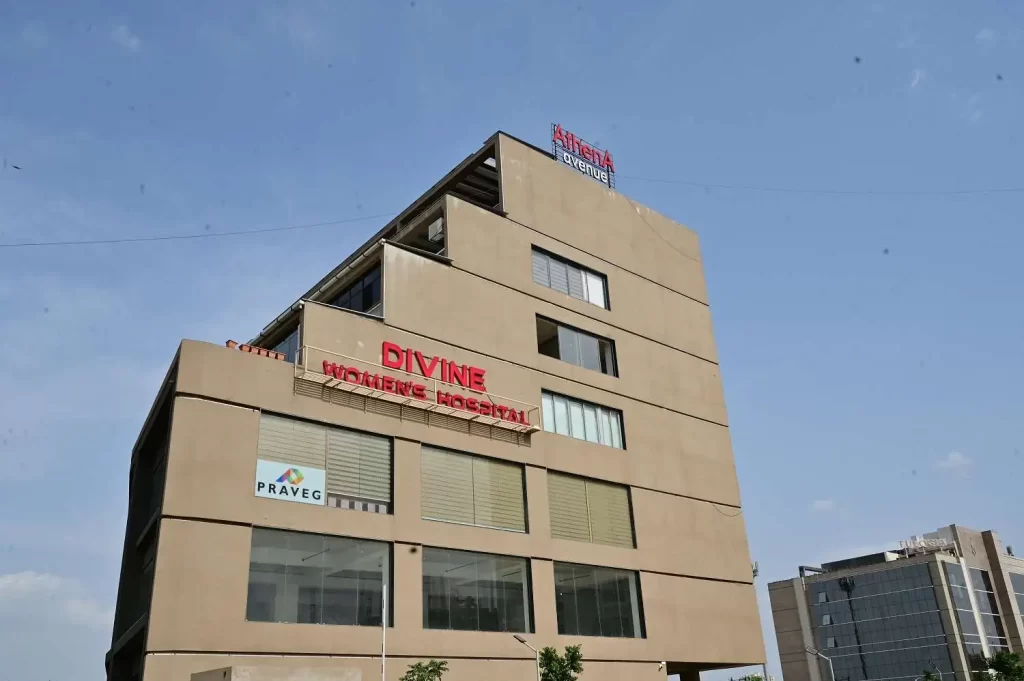
Hysteroscopy and laparoscopy let us look directly at the uterus and tubes instead of guessing from reports, and often treat the problem in the same sitting.

What Is Endoscopic Infertility Treatment?
Laparoscopy examines the outside of the reproductive organs the ovaries, fallopian tubes, and pelvic cavity. Hysteroscopy examines the inside of the uterus, through the cervix, without any external incision.
Laparoscopy vs. Hysteroscopy - What's the Difference?
Conditions Endoscopy Diagnoses and Treats
- Tubal-factor infertility (blocked or damaged fallopian tubes)
- Endometriosis
- Pelvic adhesions (scar tissue from prior surgery or infection)
- Uterine fibroids and polyps
- Uterine septum and other structural anomalies
- Unexplained infertility (diagnostic workup when other tests are inconclusive)
How Endoscopic Treatment Improves IVF Outcomes
Endoscopy isn’t only for couples trying to conceive naturally. For patients moving toward IVF, clearing a blocked tube, removing a polyp, or correcting a uterine septum beforehand can meaningfully improve implantation chances. Many fertility specialists recommend endoscopic evaluation before starting an IVF cycle when structural issues are suspected, rather than after a failed attempt.
What to Expect
Laparoscopy: Performed under general anesthesia. A small incision is made near the navel to insert the laparoscope; additional small incisions allow instruments to treat what’s found endometriosis, fibroids, or blocked tubes in the same procedure. Most patients resume normal activity within a week. (For general laparoscopy details beyond infertility, see Gynec Laparoscopy.)
Hysteroscopy: The hysteroscope is passed through the vagina and cervix no external cut. The doctor views the uterine cavity on a monitor and can remove polyps or fibroids, or correct structural issues, in the same sitting. Most patients return to normal activity within a day or two.
Is It Right for You?
Endoscopy identifies and treats structural causes of infertility it is not a guarantee of pregnancy on its own. For many patients it resolves the underlying issue and improves natural conception chances; for others, it’s a preparatory step that improves the odds of a subsequent IUI or IVF cycle. Your doctor will recommend it based on your specific diagnostic findings.
Doctor-Backed Care at Divine Women's Hospital
Dr. Dipesh Sorathiya is Divine Women’s Hospital’s infertility endoscopy specialist, with 16 years of experience in laparoscopic and hysteroscopic diagnosis and treatment. He works closely with the hospital’s IVF team to ensure endoscopic findings feed directly into your broader fertility plan when needed.
Why Choose Divine Women's Hospital for Infertility Endoscopy
- Diagnosis and treatment in the same sitting where appropriate - no second anaesthetic
- Both laparoscopy and hysteroscopy available, used together or individually
- Findings feed straight into your IVF plan, because the same team runs both
- An honest view on whether endoscopy will change your treatment before it is advised
- Day-care procedures with a short recovery in most cases
Infertility Endoscopy Specialist in Ahmedabad
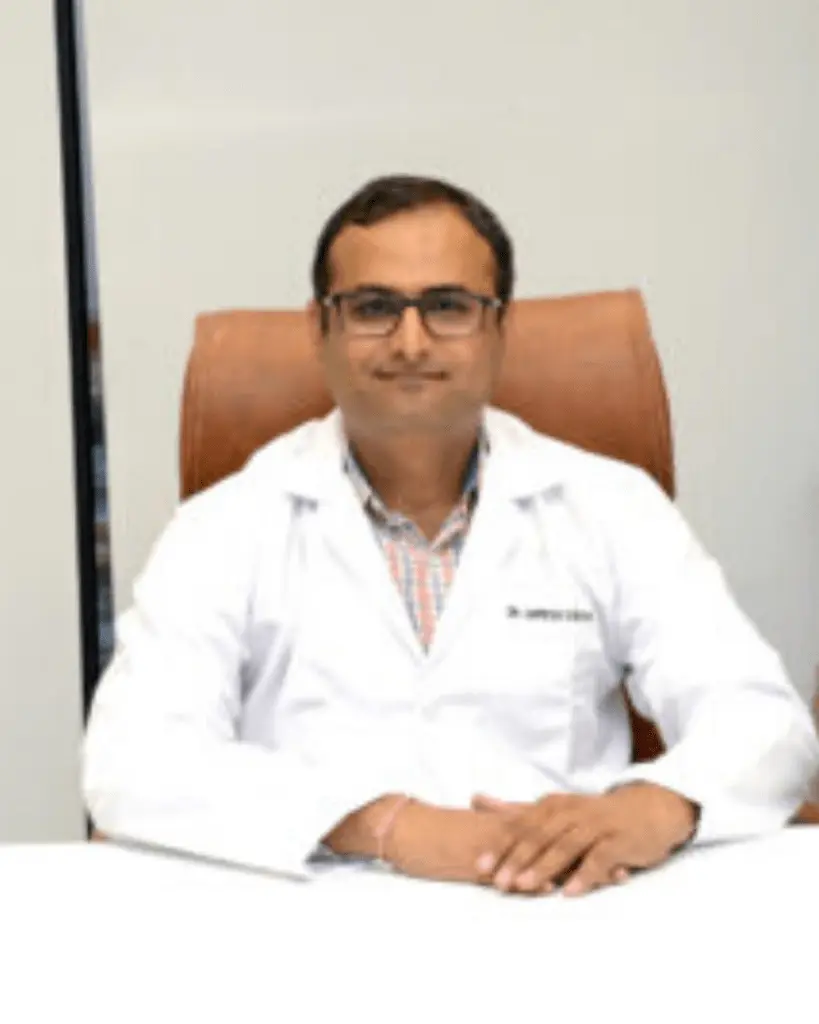
At Divine Women's Hospital, Ahmedabad, endoscopy is advised when it will genuinely change the plan - not as a routine step before every IVF cycle.
Dr. Dipesh Sorathiya holds an M.S. in Obstetrics & Gynecology, a Diploma in ART & IVF from the UK and a Diploma in Gynec Endoscopy (CICE), and works across both the endoscopy and IVF programmes.
Divine Women's Hospital provides fertility care with in-house embryology and andrology laboratories under one roof.
The value of looking is that you can treat what you find, in the same sitting.
If a structural cause is suspected behind your infertility, an endoscopic assessment may be the next step.
Frequently Asked Questions
Both procedures are done under anesthesia, so there’s no pain during the procedure itself. Mild discomfort for a day or two afterward is normal and manageable with medication.
Suspect a structural cause behind your infertility? Book a consultation with Dr. Dipesh Sorathiya to find out if endoscopic treatment is right for you.
Why families across Gujarat trust Divine Women's Hospital
Choosing where to be cared for is a personal decision, and it usually comes down to one question: will someone actually listen to me? At Divine Women's Hospital, that is where every consultation begins. Our senior consultants stay with you from the first visit through recovery, so you never have to repeat your story to a new face.
One consultant, start to finish
The doctor who examines you is the doctor who plans your treatment and performs your procedure. Continuity is not a luxury here, it is the baseline.
Explained in plain language
Reports are walked through line by line, in Gujarati, Hindi or English, until the plan makes sense to you and the family member sitting beside you.
Modern theatre and imaging under one roof
Laparoscopy suites, fetal-medicine grade ultrasound, NICU support and 24x7 emergency cover mean fewer referrals and less waiting between steps.
Honest, itemised costs
You receive a written estimate before admission. If the plan changes, we tell you why before anything is done.
Questions women ask us most
Is this a major operation?
No. It is day-care surgery under short anaesthesia, and most women go home the same evening.
Related Articles
3 November 2025
Male Infertility and IVF: Why It’s Not Just a Woman’s Journey
For decades, infertility has been unfairly viewed as a “women’s problem.” But modern science tells a different story. Studies show that nearly 50% of infertility cases involve male factors – proving that parenthood is truly a shared journey.
Read more
7 February 2024
Understanding Infertility in Men and Women: Causes, Diagnosis, and Available Treatments
First of all, Starting a family can be difficult for couples who are infertile. Fertility issues can affect both men and women, although the common perception that they are a women’s problem. We’ll examine the complexities of both male and female infertility in this blog, including its causes, diagnosis, and available treatments.
Read moreWe are here for you
Book a consultation with Ahmedabad's trusted women's health team
Internationally certified obstetricians, gynecologists and fertility specialists, available 24×7 for you and your baby.