
Can Ovarian Cysts Affect Fertility? What Women Need to Know

This article is written by our clinical team for the women and families we meet every day. It is meant to inform you, not to replace a consultation, and every recommendation here is one we would give you in the room.
Many women are surprised to learn they have an ovarian cyst during a routine gynecological examination. While ovarian cysts are common and often harmless, they can raise concerns about reproductive health and future pregnancy plans. One of the most frequently asked questions is whether there is a connection between ovarian cyst and fertility.
The answer depends on the type, size, and underlying cause of the cyst. While many ovarian cysts do not affect fertility, some conditions associated with cysts can make conception more challenging. Understanding the relationship between ovarian cysts and reproductive health can help women make informed decisions about diagnosis and treatment.
What Are Ovarian Cysts?
Ovarian cysts are fluid-filled sacs that develop on or inside the ovaries. In many cases, they form naturally during the menstrual cycle and disappear without treatment.
Common Types of Ovarian Cysts:
- Functional cysts
- Dermoid cysts
- Endometriomas
- Cystadenomas
- Polycystic ovarian cysts
Most cysts are non-cancerous and may not cause symptoms. However, some types can influence reproductive health and contribute to fertility problems due to ovarian cysts.
Understanding the Connection Between Ovarian Cyst and Fertility
Not all ovarian cysts affect a woman’s ability to conceive. In fact, many women with ovarian cysts become pregnant naturally without any difficulty.
When Fertility Is Usually Not Affected
Fertility may remain normal when:
- The cyst is small
- It is a functional cyst
- Ovulation occurs regularly
- There are no underlying reproductive disorders
In these situations, the relationship between ovarian cyst and fertility is often minimal.
When Ovarian Cysts Can Affect Fertility
Certain cysts are linked to conditions that may interfere with ovulation, egg quality, or reproductive function.
(1) Endometriosis-Related Cysts
Endometriomas are cysts associated with endometriosis. They can affect the ovaries and potentially reduce fertility by impacting egg development.
(2) Polycystic Ovary Syndrome (PCOS)
Women with PCOS often develop multiple small cysts and may experience irregular ovulation.
This can lead to:
- Delayed conception
- Irregular menstrual cycles
- Hormonal imbalance
(3) Large Ovarian Cysts
Very large cysts can sometimes interfere with normal ovarian function or require surgical removal.
In some cases, these factors may contribute to fertility problems due to ovarian cysts.
Ovarian Cyst Symptoms in Women
Many ovarian cysts cause no symptoms and are discovered accidentally during routine examinations. However, larger or problematic cysts may produce noticeable signs.
Common Ovarian Cyst Symptoms in Women:
- Pelvic pain or discomfort
- Irregular menstrual cycles
- Bloating or abdominal fullness
- Pain during intercourse
- Frequent urination
- Lower back pain
Recognizing ovarian cyst symptoms in women early allows timely medical evaluation and treatment if necessary.
How Doctors Diagnose Ovarian Cysts
Accurate diagnosis is important for determining whether a cyst may affect fertility or require treatment.
Diagnostic Methods
(1) Pelvic Examination
Helps identify abnormalities in the reproductive organs.
(2) Ultrasound Scan
Provides detailed information about the size, location, and type of cyst.
(3) Blood Tests
May be recommended to evaluate hormone levels or rule out specific conditions.
(4) Fertility Evaluation
Women planning pregnancy may undergo additional fertility assessments.
These evaluations help determine whether the cyst is contributing to fertility problems due to ovarian cysts.
Can Ovarian Cyst Treatment Improve Fertility?
Ovarian Cyst Treatment depends on the type of cyst, symptoms, age, and future pregnancy plans.
Treatment Options
(1) Observation and Monitoring
Small, harmless cysts may only require regular follow-up scans.
(2) Medication
Hormonal medications may help regulate cycles and reduce the formation of certain cysts.
(3) Minimally Invasive Surgery
When Should You Consult a Gynecologist?
Many women delay seeking medical advice because symptoms appear mild. However, timely evaluation is important when symptoms persist or fertility concerns arise.
Consult a Specialist If You Experience
- Persistent pelvic pain
- Irregular periods
- Difficulty conceiving
- Recurrent ovarian cysts
- Sudden severe abdominal pain
Early intervention can help identify the cause and prevent future complications.
Protecting Fertility While Managing Ovarian Cysts
Maintaining reproductive health requires a balanced approach that addresses both the cyst and overall fertility goals.
Helpful Strategies
- Schedule regular gynecological checkups
- Monitor menstrual cycle changes
- Maintain a healthy weight
- Follow treatment recommendations
- Seek fertility evaluation when needed
Women concerned about fertility problems due to ovarian cysts should discuss family planning goals with their doctor as early as possible.
Importance of Expert Gynecological Care
Every ovarian cyst is different, and treatment decisions should be personalized based on individual health needs.
Experienced specialists can help:
- Identify the type of cyst accurately
- Monitor ovarian health
- Preserve fertility whenever possible
- Recommend appropriate treatment options
Can Pregnancy Still Be Possible?
The good news is that many women with ovarian cysts successfully conceive and have healthy pregnancies. The key is understanding the underlying cause of the cyst and addressing any reproductive concerns early.
Whether a cyst affects fertility depends on:
- Its type
- Its size
- Associated medical conditions
- Overall reproductive health
Proper diagnosis and management significantly improve outcomes for women planning pregnancy.
Conclusion
The relationship between ovarian cyst and fertility is not always straightforward. While many cysts do not affect conception, some conditions can contribute to fertility problems due to ovarian cysts if left untreated.
Being aware of common ovarian cyst symptoms in women, seeking timely medical evaluation, and following appropriate treatment recommendations can help protect reproductive health. With expert care and personalized management, many women can successfully overcome fertility concerns and move forward confidently on their journey toward motherhood.
Why families across Gujarat trust Divine Women's Hospital
Choosing where to be cared for is a personal decision, and it usually comes down to one question: will someone actually listen to me? At Divine Women's Hospital, that is where every consultation begins. Our senior consultants stay with you from the first visit through recovery, so you never have to repeat your story to a new face.
One consultant, start to finish
The doctor who examines you is the doctor who plans your treatment and performs your procedure. Continuity is not a luxury here, it is the baseline.
Explained in plain language
Reports are walked through line by line, in Gujarati, Hindi or English, until the plan makes sense to you and the family member sitting beside you.
Modern theatre and imaging under one roof
Laparoscopy suites, fetal-medicine grade ultrasound, NICU support and 24x7 emergency cover mean fewer referrals and less waiting between steps.
Honest, itemised costs
You receive a written estimate before admission. If the plan changes, we tell you why before anything is done.
Related Reads
16 June 2026
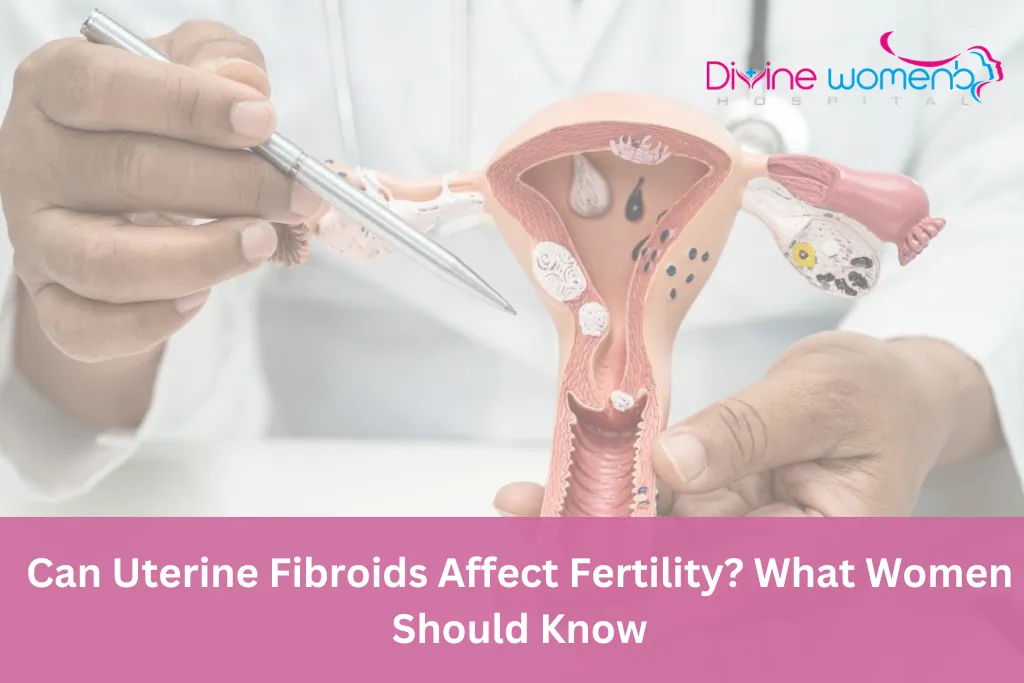
Can Uterine Fibroids Affect Fertility? What Women Should Know
For many women, discovering they have uterine fibroids can raise concerns about future pregnancy plans. One of the most common questions gynecologists hear is: Can fibroids cause infertility? While not all fibroids affect reproductive health, certain types and locations can interfere with conception and pregnancy.
Read more
24 February 2026
Ruptured or Twisted Ovarian Cysts: Emergency vs Planned Treatment
Ovarian cysts are common in women of reproductive age and are often harmless. However, complications such as rupture or twisting (torsion) can turn a routine condition into a medical emergency. Understanding the difference between emergency and planned care is crucial for timely treatment and fertility preservation.
Read more
27 March 2025
Understanding the Different Types of Ovarian Cysts
Ovarian cysts are a common health concern among women of reproductive age. In most cases, they are harmless and resolve on their own. However, certain types of cysts can lead to complications, especially if they grow large, rupture, or twist the ovary.
Read moreWe are here for you
Book a consultation with Ahmedabad's trusted women's health team
Internationally certified obstetricians, gynecologists and fertility specialists, available 24×7 for you and your baby.