For many women, discovering they have uterine fibroids can raise concerns about future pregnancy plans. One of the most common questions gynecologists hear is: Can fibroids cause infertility? While not all fibroids affect reproductive health, certain types and locations can interfere with conception and pregnancy.
Understanding the connection between uterine fibroids and fertility can help women make informed decisions about treatment, family planning, and overall reproductive health. The good news is that many women with fibroids successfully conceive and deliver healthy babies with proper medical guidance and timely treatment.
What Are Uterine Fibroids?
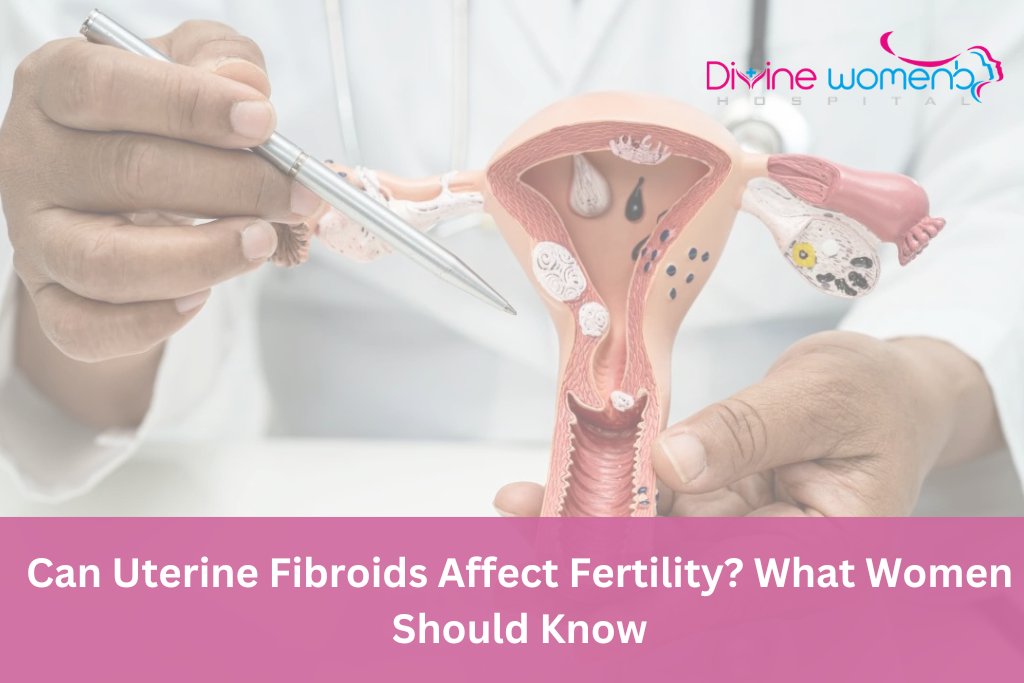
Uterine fibroids are non-cancerous growths that develop within or around the uterus. They can vary greatly in size, number, and location. Some women may have a single small fibroid, while others may develop multiple fibroids over time.
Common Types of Fibroids
- Intramural fibroids (within the uterine wall)
- Submucosal fibroids (inside the uterine cavity)
- Subserosal fibroids (outside the uterus)
- Pedunculated fibroids (attached by a stalk)
Many fibroids do not cause symptoms and are discovered during routine gynecological examinations. However, larger fibroids or those located in specific areas may affect reproductive health.
Understanding the Link Between Uterine Fibroids and Fertility
The relationship between uterine fibroids and fertility depends largely on the size and location of the fibroid.
When Fibroids May Not Affect Fertility
Many women conceive naturally despite having fibroids. Small fibroids that do not alter the shape of the uterus often have little to no impact on fertility.
Women may not experience any reproductive issues when:
- Fibroids are small
- The uterine cavity remains unaffected
- Ovulation occurs normally
- There are no additional fertility factors
In such cases, monitoring may be all that is required.
Can Fibroids Cause Infertility?
The answer is yes-certain fibroids can contribute to fertility challenges. However, infertility is rarely caused by fibroids alone. The effect depends on how the fibroid interferes with normal reproductive processes.
Ways Fibroids May Affect Fertility
(1) Distortion of the Uterine Cavity
Fibroids growing inside the uterus can change its shape, making implantation more difficult.
(2) Blockage of Fallopian Tubes
Large fibroids may obstruct the pathways needed for sperm and egg to meet.
(3) Reduced Blood Supply
Some fibroids can affect blood flow to the uterine lining, potentially impacting embryo implantation.
(4) Increased Risk of Pregnancy Complications
Fibroids may sometimes contribute to miscarriage, preterm labor, or abnormal fetal positioning.
These factors explain why many women ask, can fibroids cause infertility, especially when conception becomes difficult despite regular attempts.
Common Symptoms of Uterine Fibroids
Not every woman experiences symptoms, but when symptoms occur, they can significantly affect quality of life.
Signs That May Indicate Fibroids
- Heavy menstrual bleeding
- Prolonged periods
- Pelvic pressure or pain
- Frequent urination
- Lower back discomfort
- Pain during intercourse
- Difficulty conceiving
Women experiencing these symptoms should seek evaluation from an experienced gynecologist.
How Fibroids Are Diagnosed?
Accurate diagnosis helps determine whether fibroids are contributing to fertility concerns.
Common Diagnostic Methods
(1) Pelvic Examination
A physical examination may reveal an enlarged uterus.
(2) Ultrasound Imaging
Provides detailed information about fibroid size and location.
(3) Advanced Imaging
In some cases, MRI scans may be recommended for complex cases.
(4) Fertility Assessment
Women trying to conceive may undergo additional testing to evaluate reproductive health.
Proper evaluation helps doctors determine whether fibroid treatment for fertility may be beneficial.
Fibroid Treatment for Fertility
Treatment decisions depend on symptoms, fibroid size, age, and pregnancy goals.
Treatment Options
(1) Watchful Monitoring
Small fibroids without symptoms may only require regular follow-up.
(2) Medication
Certain medications can help manage symptoms, although they may not permanently eliminate fibroids.
(3) Minimally Invasive Procedures
Advanced techniques may shrink or remove fibroids while preserving the uterus.
(4) Surgical Removal
When fibroids significantly affect fertility, surgical removal may improve the chances of conception.
Women planning pregnancy often benefit from individualized fibroid treatment for fertility to support reproductive goals while preserving uterine health.
Can Pregnancy Be Successful After Fibroid Treatment?
In many cases, yes. Women who undergo appropriate treatment often experience improved fertility outcomes.
Benefits of Timely Treatment
- Improved uterine environment
- Better implantation potential
- Reduced pregnancy complications
- Enhanced reproductive confidence
The success of pregnancy after treatment depends on individual health factors and the severity of the fibroids.
Lifestyle Tips for Women With Fibroids
While lifestyle changes cannot eliminate fibroids, they may support overall reproductive health.
Healthy Habits to Follow
- Maintain a healthy body weight
- Eat a balanced diet rich in fruits and vegetables
- Stay physically active
- Manage stress effectively
- Attend regular gynecological checkups
These habits can complement medical treatment and improve overall well-being.
Why Expert Gynecological Care Matters
Every woman’s situation is unique. Some fibroids require immediate treatment, while others can simply be monitored. Receiving expert guidance ensures the most appropriate treatment plan.
An experienced specialist can:
- Assess fertility risks accurately
- Recommend fertility-preserving treatments
- Monitor fibroid growth
- Support pregnancy planning
For comprehensive women’s healthcare and fertility-focused treatment, consult the Best Gynecologist in Ahmedabad.
Conclusion
The connection between uterine fibroids and fertility varies from one woman to another. While many fibroids do not interfere with conception, certain types can create challenges that affect reproductive health. Understanding the answer to can fibroids cause infertility begins with proper diagnosis and expert evaluation.
The good news is that effective fibroid treatment for fertility is available, and many women successfully achieve pregnancy after receiving appropriate care. If you are experiencing symptoms or struggling to conceive, seeking timely medical advice can help protect both your fertility and long-term health.