
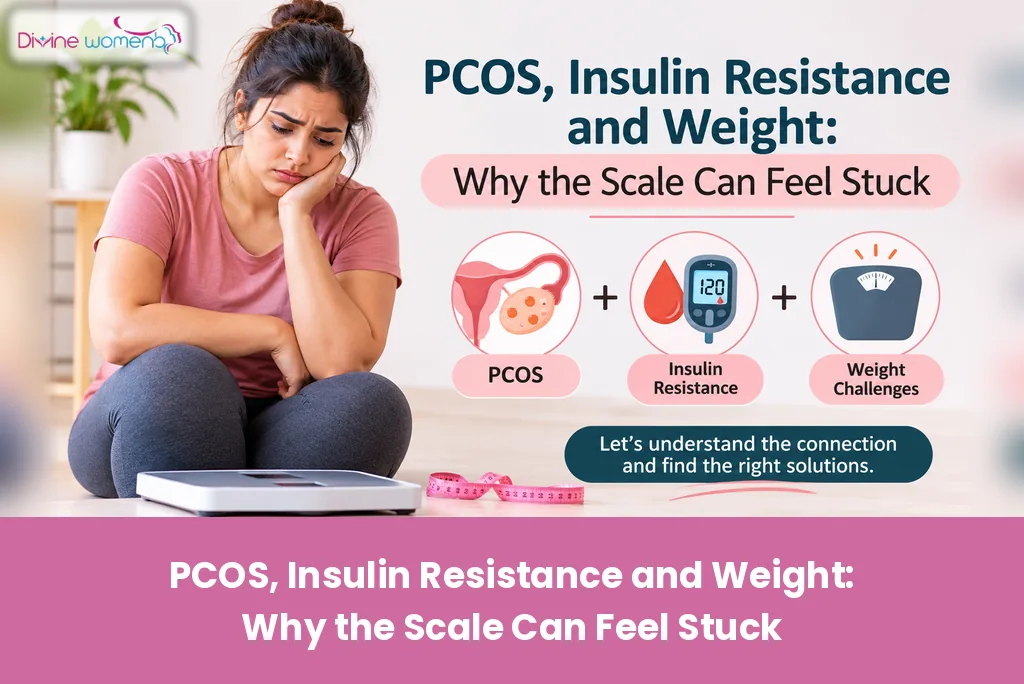
PCOS, Insulin Resistance and Weight: Why the Scale Can Feel Stuck
This article is written by our clinical team for the women and families we meet every day. It is meant to inform you, not to replace a consultation, and every recommendation here is one we would give you in the room.
You have started eating healthier, reduced your portion sizes, and tried to stay physically active. Yet when you step on the weighing scale, the number barely changes.
For women living with Polycystic Ovary Syndrome (PCOS), this experience can be frustrating. PCOS is a hormonal and metabolic condition that can affect menstrual cycles, ovulation, skin health, and the body’s response to insulin. Some women with PCOS also experience weight gain, or find weight management challenging.
One important factor behind this connection is insulin resistance. Understanding the relationship between PCOS, insulin resistance and weight can help women make informed decisions about nutrition, lifestyle changes and medical treatment.
The important thing to remember is that PCOS is not simply a weight problem. It is a health condition that deserves proper evaluation and individualised care.
This article is for general educational purposes only and does not replace personalised medical advice, diagnosis, or treatment. Talk to your provider about your specific symptoms and test results.
In short: insulin resistance is a common metabolic feature of PCOS, and it can make weight harder to manage - but it does not affect every woman with PCOS, and it is not the only factor. Hormones, sleep, stress, genetics and other conditions such as thyroid disease all play a part. Evaluation looks at menstrual history, androgen levels and glucose tolerance rather than at the scale alone, and treatment is matched to your symptoms, metabolic risk and whether you are planning a pregnancy.
What Is PCOS and How Does It Affect Your Body?
Polycystic Ovary Syndrome is a common hormonal condition affecting women during their reproductive years. It can influence how the ovaries function and how the body regulates certain hormones, including androgens (often called male-type hormones).
PCOS can present differently from one woman to another. Common signs include:
- Irregular or missed menstrual periods
- Difficulty with ovulation
- Acne or oily skin
- Excess facial or body hair
- Thinning scalp hair
- Difficulty conceiving
- Weight gain, or difficulty managing weight
Some women with PCOS have a higher body weight, while others have a body mass index (BMI) in the normal range. PCOS can occur at any body size. A woman does not need to be overweight to have the condition.
Diagnosis generally involves assessing menstrual history, symptoms, hormone levels and other possible causes. An ultrasound may be recommended when clinically appropriate, but a cyst-like appearance of the ovaries on its own does not establish a PCOS diagnosis.
What Is Insulin Resistance in PCOS?
To understand why weight management can feel difficult, it helps to understand insulin.
Insulin is a hormone produced by the pancreas. Its main role is to help glucose move from the bloodstream into cells, where it can be used for energy. With insulin resistance, the body’s cells respond less effectively to insulin, and the pancreas may compensate by producing more of it to maintain blood glucose levels.
This can lead to higher circulating insulin levels, particularly in some women with PCOS. Insulin resistance is an important metabolic feature of the condition, although it does not affect every woman in the same way.
How can high insulin levels affect hormones?
Higher insulin levels may contribute to increased androgen production in the ovaries and affect the balance of reproductive hormones. This can in turn influence ovulation and menstrual regularity.
Insulin resistance is also associated with a higher risk of developing impaired glucose tolerance and type 2 diabetes. This is why PCOS management should look beyond menstrual symptoms and consider long-term metabolic health.
Why Can the Scale Feel Stuck When You Have PCOS?
The relationship between PCOS and weight is complex. Insulin resistance can contribute to metabolic changes, while hormonal factors, appetite regulation, sleep, genetics and lifestyle all influence body weight as well. There are several reasons weight management may feel challenging.
Insulin resistance and metabolic changes
When insulin resistance is present, the body needs more insulin to manage blood glucose. Higher insulin levels can influence ovarian hormone production and contribute to the hormonal features of PCOS. However, insulin resistance does not automatically mean a woman will gain weight - some women have insulin resistance even when their weight is within the recommended range.
Hormonal imbalance and appetite
PCOS is associated with changes in reproductive hormones and metabolic regulation. These factors may influence appetite, energy levels, and how easy it feels to maintain consistent lifestyle habits.
Sleep problems and stress
Poor sleep and ongoing stress can affect appetite regulation, food choices, energy and metabolic health. Some women with PCOS also have an increased risk of obstructive sleep apnoea, particularly when other risk factors are present.
Weight changes are not always caused by PCOS
Thyroid disorders, certain medicines, sleep disorders and other health conditions can also contribute to unexplained weight changes. This is why repeatedly reducing food intake, without understanding the underlying problem, may not be the best approach.
How Are Insulin Resistance and PCOS Evaluated?
If you have irregular periods, unexplained weight changes, acne or difficulty conceiving, a proper medical evaluation can help identify what is happening. At a PCOS consultation, a gynecologist may consider several aspects of your health.
- Menstrual and medical history: cycle length, missed periods, weight changes, family history of diabetes, and symptoms such as acne or unwanted hair growth.
- Hormonal assessment: blood tests may be recommended to evaluate androgen levels and exclude other conditions that cause similar symptoms.
- Blood glucose testing: women with PCOS have an increased risk of impaired glucose tolerance and type 2 diabetes. A 75-g oral glucose tolerance test (OGTT) is considered the most accurate test for assessing glycaemic status in PCOS, regardless of BMI. Fasting glucose or HbA1c may be used when an OGTT is not practical, although they can be less accurate.
- Cholesterol and blood pressure: a lipid profile and blood pressure assessment help evaluate broader metabolic and cardiovascular risk.
- Pelvic ultrasound: an ultrasound may be recommended to examine ovarian appearance and assess other possible causes of symptoms. It is not required in every case.
One important point: routine insulin blood tests are not recommended as a reliable way to measure insulin resistance in everyday PCOS care. Your doctor will select investigations according to your symptoms and risk factors.
What Lifestyle Changes Can Help With PCOS Weight Management?
There is no single diet or exercise programme that works for every woman with PCOS. The most useful approach is one that supports metabolic health and can be followed consistently.
Choose balanced meals
Instead of following extreme diets, aim for meals containing a combination of:
- Vegetables and fibre-rich foods
- Whole grains such as oats, whole wheat and millets
- Protein sources such as pulses, beans, eggs, dairy, fish or lean meat
- Healthy fats from nuts, seeds and appropriate cooking oils
Pairing carbohydrates with protein and fibre can help create more balanced meals. Reducing frequent consumption of sugary drinks, highly processed snacks and foods with little nutritional value may also support overall health.
Include regular physical activity
Exercise can improve metabolic health even when the weighing scale does not change. Walking, cycling, swimming, dancing, yoga and resistance training are all possible options. The best activity is one that suits your fitness level, preferences and medical circumstances.
Prioritise sleep
Try to maintain a consistent sleep schedule and create a relaxing bedtime routine. If you regularly experience loud snoring, unrefreshing sleep or excessive daytime sleepiness, discuss possible sleep apnoea with your doctor.
Manage stress without blaming yourself
Stress management may include relaxation exercises, yoga, counselling, hobbies, or spending time with supportive people. PCOS can affect emotional wellbeing and body image, and seeking support is a positive part of healthcare, not a sign of weakness.
The 2023 international PCOS guideline recommends lifestyle support for all women with PCOS, including those who do not need to lose weight. It also recognises that improvements in health can occur without a reduction in body weight.
PCOS Treatment: When Are Medicines Needed?
Lifestyle management is an important part of PCOS care, but it is not the only treatment option. Depending on symptoms, medical history, metabolic risk and reproductive goals, a gynecologist may recommend medication.
Metformin
Metformin is a medicine that can improve insulin sensitivity and help manage certain metabolic features of PCOS. It may be considered in adults with PCOS, particularly when BMI is 25 kg/m² or higher, for metabolic outcomes, and in selected women for cycle-related concerns. It is not a weight-loss medicine for everyone with PCOS, and it should only be used after medical evaluation.
Hormonal treatment
Combined oral contraceptive pills may be recommended for women who need help managing irregular menstrual cycles, or symptoms related to higher androgen levels, provided there are no contraindications. The appropriate formulation depends on individual health factors.
Weight-management medication
In selected adults, anti-obesity medicines may be considered alongside lifestyle management, following general medical eligibility guidelines. These medicines require careful discussion of benefits, possible side effects, pregnancy plans and the possibility of weight regain after discontinuation. They should never be started without medical supervision.
Fertility-focused treatment
If PCOS is affecting ovulation and pregnancy plans, treatment may include ovulation-induction medication and other fertility treatments, depending on the circumstances. The treatment plan should reflect whether the immediate goal is menstrual regulation, metabolic health, symptom control or conception.
When Should You Consult a Gynecologist for PCOS?
Many women delay consultation because they believe irregular periods or weight gain are normal. Persistent symptoms deserve attention. Consider arranging a gynecological evaluation if you experience:
- Repeatedly irregular or missed periods
- Unexplained weight changes
- Persistent acne or excess facial hair
- Thinning scalp hair
- Difficulty conceiving
- A family history of diabetes combined with PCOS symptoms
- Unusual fatigue, or other symptoms that may suggest an additional health concern
Very heavy bleeding, severe pelvic pain or a prolonged absence of periods should also be discussed with a healthcare professional. Early evaluation can help clarify the diagnosis, identify associated metabolic concerns and guide treatment before complications develop.
PCOS Treatment in Ahmedabad at Divine Women’s Hospital
Managing PCOS often requires more than a prescription or a general weight-loss plan. Women benefit from an approach that considers menstrual health, hormonal symptoms, metabolic risk and future pregnancy goals together.
At Divine Women’s Hospital, women can consult the gynecology team for PCOD/PCOS evaluation and treatment in Ahmedabad. The care pathway includes:
- Individual symptom assessment: menstrual history, weight changes, acne, hair growth and reproductive goals.
- Diagnostic evaluation: clinical assessment and appropriate investigations, including ultrasound and hormone testing where indicated.
- Lifestyle-based management: guidance on sustainable nutrition and physical activity.
- Medical management: treatment based on hormonal symptoms and metabolic concerns.
- Fertility support: coordination with the fertility team when PCOS affects ovulation or conception.
- Follow-up care: monitoring symptoms and relevant metabolic health indicators over time.
Dr. Devang Patel, Obstetrician and Gynecologist, provides PCOD/PCOS care at the hospital. Where fertility treatment is needed, Dr. Dipesh Sorathiya can be involved in the care pathway.
Frequently Asked Questions
Insulin resistance is associated with PCOS and can contribute to metabolic changes. However, it does not cause weight gain in every woman. Hormonal, genetic, lifestyle and other health factors also influence body weight.
Conclusion: Look Beyond the Number on the Scale
When you have PCOS, weight management can feel like a constant struggle. But the number on the weighing scale does not tell the complete story of your health. Insulin resistance, hormonal changes, sleep, stress and other metabolic factors all influence how your body responds to lifestyle changes.
Rather than following restrictive diets or trying unverified weight-loss remedies, focus on understanding your condition and choosing a treatment plan that suits your needs.
If you are dealing with PCOS, insulin resistance or unexplained weight changes, PCOD/PCOS treatment at Divine Women’s Hospital, Ahmedabad begins with an assessment of your menstrual history, hormones and metabolic health - then a plan matched to whether you are managing symptoms or trying to conceive.
What to expect at Divine Women's Hospital
Choosing where to be cared for is a personal decision, and it usually comes down to one question: will someone actually listen to me? At Divine Women's Hospital, that is where every consultation begins. Our senior consultants stay with you from the first visit through recovery, so you never have to repeat your story to a new face.
One consultant, start to finish
The doctor who examines you is the doctor who plans your treatment and performs your procedure. Continuity is not a luxury here, it is the baseline.
Explained in plain language
Reports are walked through line by line, in Gujarati, Hindi or English, until the plan makes sense to you and the family member sitting beside you.
Modern theatre and imaging under one roof
Laparoscopy suites, fetal-medicine grade ultrasound, NICU support and 24x7 emergency cover mean fewer referrals and less waiting between steps.
Honest, itemised costs
You receive a written estimate before admission. If the plan changes, we tell you why before anything is done.
Related Reads

2 November 2026
Is This a Normal Part of a Gynecologist Visit? What to Expect, and What's Not Okay
You leave the clinic and replay the visit in your head. Was it normal that she asked about my sex life? Was that internal exam necessary? Many women feel unsure because no one explains in advance what a gynecology visit involves. Here is what usually happens, and what is not okay.
Read more
17 October 2026
C-Section Recovery: Wound Care & Healing Timeline
A cesarean heals through several tissue layers, not just the visible scar, and on a longer timeline than a vaginal birth. The four recovery phases, when scar massage is actually safe, what binders do, and the infection signs to act on.
Read more
17 October 2026
Vaginal Birth Recovery: Soreness, Discharge & Afterpains Explained
Uterine afterpains, lochia stages and perineal healing all follow a predictable timeline after a vaginal birth. What is normal week by week, and the handful of warning signs that mean you should call your provider rather than wait.
Read moreWe are here for you
Book a consultation with our women's health team in Ahmedabad
Obstetricians, gynecologists, fertility specialists and a neonatologist, with hospital staff available 24×7 for you and your baby.