
Asherman Syndrome Treatment in Ahmedabad
Periods that became very light — or stopped altogether — after a uterine procedure. Cramping each month with no bleeding to show for it. Difficulty conceiving, or a pregnancy that keeps ending early.
These are the patterns that point towards Asherman syndrome: scar tissue inside the uterus, sticking the walls of the cavity together. Because the scarring is internal, there is nothing to see or feel from outside — it is diagnosed by looking.
At Divine Women's Hospital, Ahmedabad, Dr. Devang Patel, Gynaecologist and Laparoscopic Surgeon, uses hysteroscopy both to confirm the diagnosis and to treat it in the same sitting where that is appropriate.
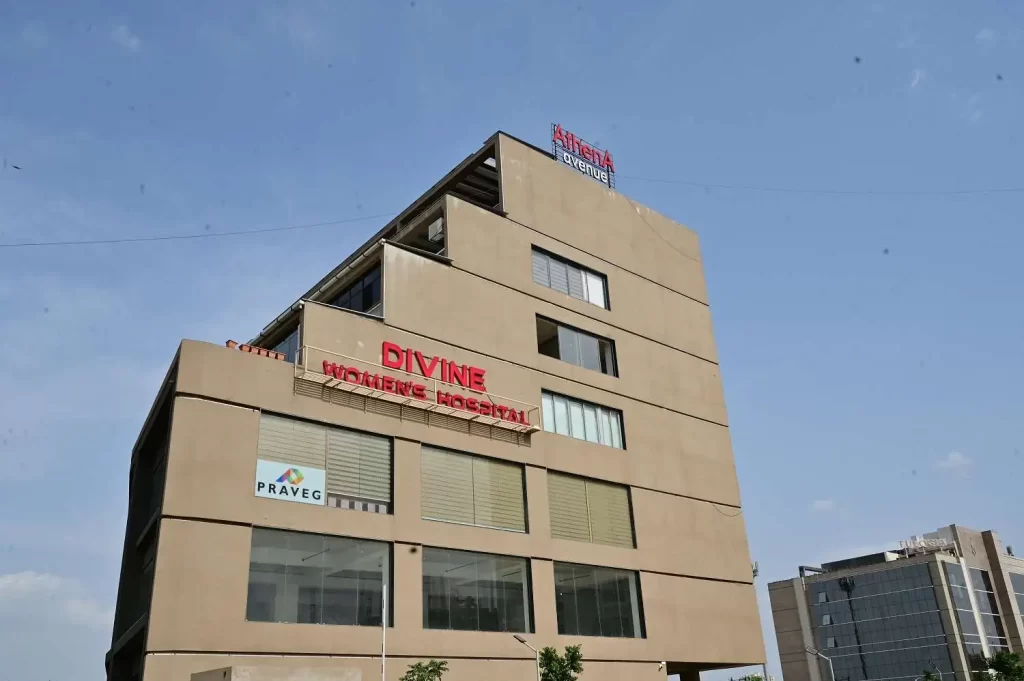
Understanding Asherman Syndrome and Intrauterine Adhesions
What Is Asherman Syndrome?
In Asherman syndrome, bands of scar tissue — adhesions — form inside the uterine cavity, causing the front and back walls to stick together.
The cavity is normally an open space lined with endometrium that thickens and sheds each month. Where adhesions form, that lining is replaced or blocked, so there is less functioning endometrium and less bleeding.
Adhesions range from a few thin bands to dense scarring that obliterates most of the cavity. How much is present largely determines both symptoms and outlook.
Why Does Asherman Syndrome Happen?
It usually follows something that has injured the lining of the uterus. The most common trigger is a surgical procedure on the uterus — particularly dilatation and curettage after a miscarriage, retained placenta or termination.
It can also follow uterine infection, surgery to remove fibroids or a septum, or genital tuberculosis, which remains a relevant cause in India.
Not everyone who has these procedures develops adhesions. The risk is higher where the procedure was done on a recently pregnant uterus, where it was repeated, or where infection followed.
What Does Asherman Syndrome Feel Like?
| Symptom | What you may notice |
|---|---|
| Very light periods | Bleeding that is much lighter than it was before a uterine procedure. |
| No periods at all | Periods that stopped after a procedure and have not returned. |
| Monthly pain without bleeding | Cramping at the time a period is due, but little or no blood — trapped behind the adhesions. |
| Difficulty conceiving | Trouble becoming pregnant, sometimes with no other symptom. |
| Recurrent miscarriage | Pregnancies that repeatedly end early. |
| Failed IVF cycles | Good embryos that do not implant, where the cavity has not been assessed. |
A change in your periods after a uterine procedure is the single most useful clue. If your bleeding never returned to what it was, say so — it is easily overlooked unless someone asks.
How Is Asherman Syndrome Diagnosed?
The diagnosis is made by looking inside the cavity. Depending on your history, your gynaecologist may recommend:
- Medical history: particularly any procedure on the uterus, infection, or a change in your periods afterwards.
- Transvaginal ultrasound: may show a thin endometrium, though it can look normal even when adhesions are present.
- Saline infusion sonography or HSG: outlines the cavity and can suggest adhesions or filling defects.
- Hysteroscopy: the definitive test. A thin telescope is passed through the cervix, so the cavity is seen directly and the extent of scarring assessed accurately.
A normal ultrasound does not rule out Asherman syndrome. Where the history fits, hysteroscopy is what settles it.
Asherman Syndrome Treatment Options
Treatment aims to reopen the cavity, keep it open while it heals, and restore functioning endometrium where possible.
- Hysteroscopic adhesiolysis: the adhesions are divided under direct vision using fine instruments passed through the hysteroscope. No external incision is needed.
- Preventing re-adhesion: measures to stop the walls sticking together again during healing, decided case by case.
- Hormonal treatment: oestrogen is often used after surgery to encourage the endometrium to regenerate.
- Follow-up hysteroscopy: to confirm the cavity has stayed open before you try to conceive.
- Fertility treatment: where conception does not follow, IVF may be considered once the cavity is as good as it can be made.
Hysteroscopic Treatment for Intrauterine Adhesions
Hysteroscopy is both how Asherman syndrome is diagnosed and how it is treated. Because the telescope passes through the cervix, there is no external cut, and it is usually a day-care procedure.
Dividing adhesions is delicate work. The aim is to reopen the cavity without damaging what healthy endometrium remains, since that lining is what a future pregnancy depends on. More extensive scarring may need more than one procedure.
What Affects the Outcome
How much improvement is realistic depends on:
- How extensive the adhesions are, and whether they are thin or dense
- How much healthy endometrium remains
- Whether the cause was infection, including tuberculosis
- How many uterine procedures you have already had
- Whether the cavity stays open after the first procedure
- Your age and overall fertility picture
Dr. Devang Patel | Gynaecologist & Hysteroscopy Specialist

At Divine Women's Hospital, Ahmedabad, adhesions are assessed under direct vision before anything is decided — the extent of scarring is what determines both the treatment and what can honestly be promised.
Dr. Devang Patel is a Gold Medalist in M.D. Obstetrics & Gynecology and an experienced laparoscopic and hysteroscopic surgeon. Where fertility is the reason for treatment, the findings feed directly into your fertility plan rather than being handled separately.
Divine Women's Hospital provides gynaecological care with a focus on minimally invasive surgery and women's reproductive health.
Periods that never came back after a procedure are worth investigating, not waiting out.
If your periods changed after a uterine procedure, or you are struggling to conceive, an assessment of the cavity is the place to start.
Frequently Asked Questions
Many women see their periods return towards normal after adhesions are divided. How much they improve depends on how much healthy endometrium remains — which is something we can discuss honestly once the cavity has actually been seen.
Related treatments
Why families across Gujarat trust Divine Women's Hospital
Choosing where to be cared for is a personal decision, and it usually comes down to one question: will someone actually listen to me? At Divine Women's Hospital, that is where every consultation begins. Our senior consultants stay with you from the first visit through recovery, so you never have to repeat your story to a new face.
One consultant, start to finish
The doctor who examines you is the doctor who plans your treatment and performs your procedure. Continuity is not a luxury here, it is the baseline.
Explained in plain language
Reports are walked through line by line, in Gujarati, Hindi or English, until the plan makes sense to you and the family member sitting beside you.
Modern theatre and imaging under one roof
Laparoscopy suites, fetal-medicine grade ultrasound, NICU support and 24x7 emergency cover mean fewer referrals and less waiting between steps.
Honest, itemised costs
You receive a written estimate before admission. If the plan changes, we tell you why before anything is done.
We are here for you
Book a consultation with Ahmedabad's trusted women's health team
Internationally certified obstetricians, gynecologists and fertility specialists, available 24×7 for you and your baby.