
Laparoscopy & Hysteroscopy in Ahmedabad
Keyhole surgery has replaced open surgery for most gynaecological conditions, and for good reason: smaller incisions, less pain, a shorter stay and a faster return to normal life.
Laparoscopy works through small cuts in the abdomen. Hysteroscopy passes a thin telescope through the cervix with no external cut at all. Both let the surgeon diagnose and treat in the same sitting.
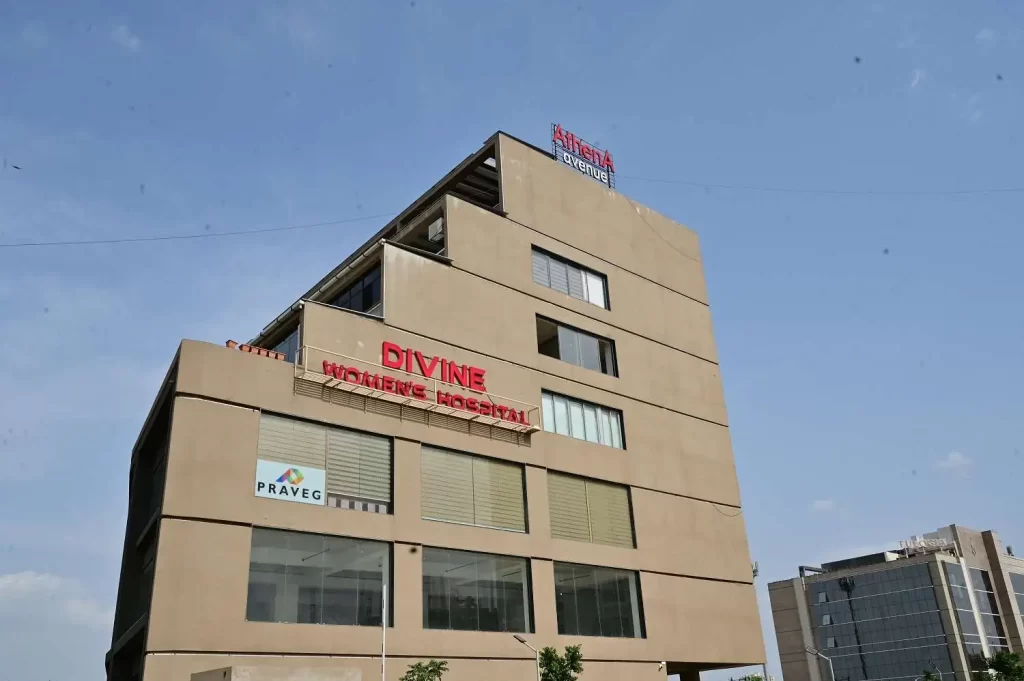
At Divine Women's Hospital, Ahmedabad, Dr. Devang Patel, Gynaecologist and Laparoscopic Surgeon, leads minimally invasive gynaecological surgery.
Laparoscopy or Hysteroscopy — What's the Difference?
They look at different things, and are often used together.
| Laparoscopy | Hysteroscopy | |
|---|---|---|
| Where it looks | Outside the reproductive organs — ovaries, tubes, outer uterus, pelvis | Inside the uterine cavity |
| How it gets there | Small incisions in the abdomen | Through the cervix — no external cut |
| Typically treats | Endometriosis, adhesions, ovarian cysts, fibroids, ectopic pregnancy, tubal disease | Polyps, submucous fibroids, adhesions, septum, abnormal bleeding |
| Anaesthesia | General | General or regional; sometimes minimal for a brief look |
| Usual stay | Day care or one night | Day care |
What This Covers
- Gynecological Laparoscopy — keyhole treatment of endometriosis, ovarian cysts, fibroids, adhesions and tubal disease, including costs.
- Hysteroscopy — a direct view inside the uterine cavity, with polyps, submucous fibroids, adhesions and a septum treated in the same sitting.
- Diagnostic Laparoscopy — for pelvic pain and findings that scans cannot explain, where looking directly is what settles the diagnosis.
- Infertility Laparoscopy — assessing and treating the physical causes of infertility, and knowing when to go straight to IVF instead.
Why Minimally Invasive Surgery
Compared with open surgery, for eligible cases:
- Smaller incisions and far less visible scarring
- Less post-operative pain and lower painkiller requirement
- Lower risk of wound infection
- Shorter hospital stay — often day care
- Faster return to work and normal activity
- A magnified view, which helps with precise work such as treating endometriosis
Minimally invasive techniques are now the established standard for many gynaecological operations, and open surgery is reserved for cases where it is genuinely the better choice.
Recovery
Because the incisions are small, most women are mobile within hours and back to routine activity considerably sooner than after open surgery. Your team will give you a timeline for your own procedure rather than a general figure.
After laparoscopy, shoulder-tip discomfort for a day or two is common and harmless — it comes from the gas used during the procedure. Contact us if you develop fever, heavy bleeding, worsening pain or redness around an incision.
Deciding Whether Surgery Is Needed
Keyhole surgery being gentler than open surgery does not make it automatically the right answer. It is still surgery, and it should be advised because the findings will change your treatment or your symptoms need it.
Where medical treatment is controlling things well, or where the plan would be the same regardless of what we found, we will say so rather than operate.
What Your Surgeon Will Weigh
Before recommending a procedure:
- How severe your symptoms are and how long they have lasted
- What imaging and blood tests have already shown
- Whether the findings would change your treatment
- Your fertility plans
- Previous abdominal or pelvic surgery and any adhesions expected
- Your general fitness for anaesthesia
- Whether laparoscopy and hysteroscopy should be combined in one sitting
Dr. Devang Patel | Gynaecologist & Minimally Invasive Surgery Specialist

At Divine Women's Hospital, Ahmedabad, minimally invasive surgery is the default where it is appropriate — and the reasoning is explained rather than assumed.
Dr. Devang Patel is a Gold Medalist in M.D. Obstetrics & Gynecology and an experienced laparoscopic and hysteroscopic surgeon.
Divine Women's Hospital provides gynaecological care with a dedicated operation theatre on site and staff available around the clock.
Keyhole surgery is gentler than open surgery. That still does not make it automatically necessary.
If surgery has been suggested, or a diagnosis is unclear, book a consultation to discuss whether a keyhole procedure would help.
Frequently Asked Questions
For eligible cases it generally carries less pain, lower wound infection risk and faster recovery. It is still surgery under anaesthesia with its own risks, and for some conditions open surgery remains the better choice.
Related treatments
Why families across Gujarat trust Divine Women's Hospital
Choosing where to be cared for is a personal decision, and it usually comes down to one question: will someone actually listen to me? At Divine Women's Hospital, that is where every consultation begins. Our senior consultants stay with you from the first visit through recovery, so you never have to repeat your story to a new face.
One consultant, start to finish
The doctor who examines you is the doctor who plans your treatment and performs your procedure. Continuity is not a luxury here, it is the baseline.
Explained in plain language
Reports are walked through line by line, in Gujarati, Hindi or English, until the plan makes sense to you and the family member sitting beside you.
Modern theatre and imaging under one roof
Laparoscopy suites, fetal-medicine grade ultrasound, NICU support and 24x7 emergency cover mean fewer referrals and less waiting between steps.
Honest, itemised costs
You receive a written estimate before admission. If the plan changes, we tell you why before anything is done.
We are here for you
Book a consultation with Ahmedabad's trusted women's health team
Internationally certified obstetricians, gynecologists and fertility specialists, available 24×7 for you and your baby.