
Menopause Care in Ahmedabad
Hot flushes that arrive without warning. Sleep that no longer restores you. Mood, memory and joints that feel unfamiliar. Periods that have become unpredictable, or stopped.
Menopause is not an illness, but it is a genuine change in how your body works — and it deserves more than being told to put up with it.
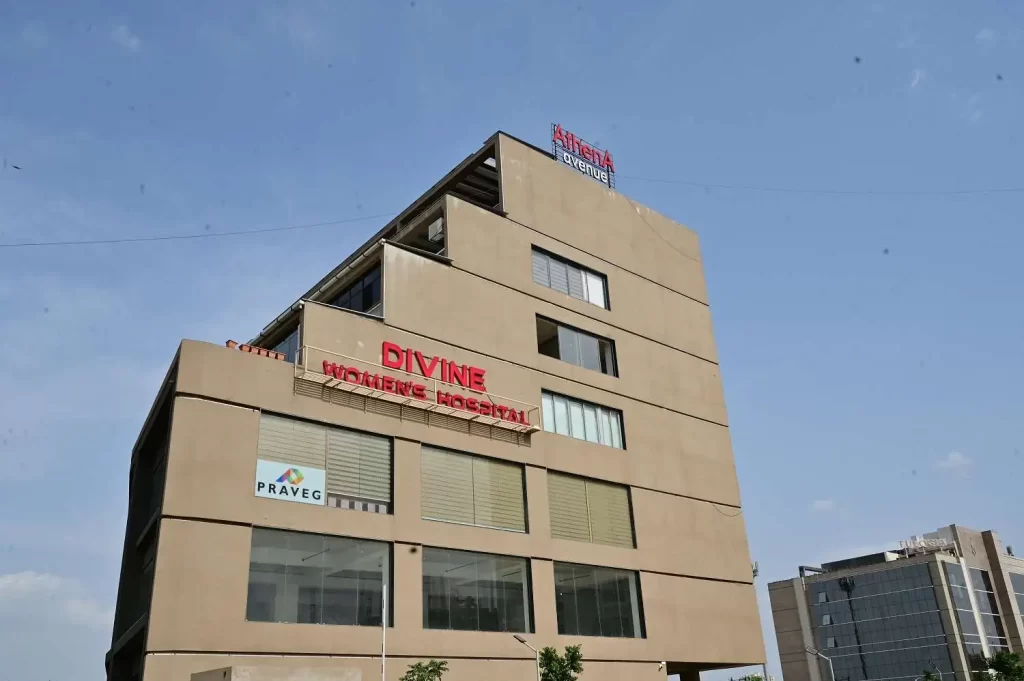
At Divine Women's Hospital, Ahmedabad, Dr. Devang Patel, Gynaecologist and Laparoscopic Surgeon, treats menopause as care for the years ahead as much as relief for the symptoms you have now.
Understanding Menopause and Perimenopause
What Is Menopause?
Menopause is the point at which periods have stopped for twelve consecutive months. In India it commonly occurs in the mid-to-late forties, somewhat earlier than the global average.
The years leading up to it — perimenopause — are when most symptoms appear. Cycles become irregular, hormone levels fluctuate rather than simply falling, and this phase can last several years.
Menopause can also be induced, following removal of the ovaries or some cancer treatments. When it happens before 40 it is called premature ovarian insufficiency and needs its own assessment.
What Is Actually Happening
The ovaries gradually stop releasing eggs and produce much less oestrogen. Because oestrogen receptors exist throughout the body — not only in the reproductive organs — its decline affects temperature regulation, sleep, mood, skin, the urinary tract, bone density and cardiovascular risk.
That is why menopause symptoms are so varied, and why care is not just about controlling hot flushes.
What Does Menopause Feel Like?
| Symptom | What you may notice |
|---|---|
| Hot flushes and night sweats | Sudden heat, flushing and sweating, often disturbing sleep. |
| Disturbed sleep | Difficulty falling asleep or waking repeatedly, with daytime fatigue. |
| Mood and memory changes | Irritability, low mood, anxiety, or difficulty concentrating. |
| Irregular then absent periods | Cycles that shorten, lengthen or become unpredictable before stopping. |
| Vaginal dryness and discomfort | Dryness, irritation or pain during intercourse. |
| Urinary symptoms | Urgency, or repeated urinary infections. |
| Joint aches | Generalised aches and stiffness that are easy to attribute to something else. |
Symptoms vary enormously between women — some have almost none, others find daily life genuinely affected. Neither is abnormal, and neither means you have to cope alone.
How Is Menopause Diagnosed?
Menopause is usually diagnosed from your history rather than a test. Assessment focuses on what you are experiencing and on the health risks that rise afterwards:
- History and symptom review: your cycle pattern, symptoms and how much they affect daily life.
- Blood tests where useful: thyroid function, haemoglobin and, in younger women or unclear cases, hormone levels.
- Bone health assessment: vitamin D, calcium status and bone density where risk factors are present.
- Cardiovascular checks: blood pressure, blood sugar and lipid profile.
- Screening: cervical screening, and breast examination with mammography as advised for your age.
- Pelvic ultrasound: where bleeding is unusual, heavy, or occurs after periods have stopped.
Any bleeding after your periods have stopped for twelve months should be reported and assessed — it is usually not serious, but it is never something to watch and wait on.
Menopause Treatment Options
Treatment is chosen around your symptoms, your medical history and your own preference.
- Lifestyle and dietary measures: weight-bearing exercise, calcium and vitamin D, sleep routines, and reducing triggers for flushes.
- Non-hormonal medication: for hot flushes and mood symptoms where hormones are unsuitable or unwanted.
- Local vaginal treatment: effective for dryness, discomfort and urinary symptoms, with minimal absorption.
- Menopausal hormone therapy (MHT): the most effective treatment for flushes and night sweats for suitable women, prescribed after assessing your individual risks.
- Bone protection: where bone density is already reduced.
- Screening and follow-up: continuing cervical and breast screening, and reviewing treatment periodically. See also our menopause clinic and cervical cancer vaccine services.
Deciding About Hormone Therapy
Hormone therapy suits some women very well and is not right for others. That decision needs your history — not a general rule, and not a headline from a twenty-year-old study.
What is weighed: how much your symptoms affect daily life, your age and how long since your last period, your personal and family history of breast cancer, clots, stroke and heart disease, and what you have already tried. Where hormones are not appropriate, effective non-hormonal options exist and are offered rather than mentioned in passing.
What Your Consultant Will Weigh
Before recommending anything:
- How severe your symptoms are and how they affect daily life
- Your age and time since your final period
- Personal and family history of breast cancer
- History of blood clots, stroke or heart disease
- Blood pressure, weight and smoking status
- Bone density and fracture risk
- Whether you still have a uterus, which affects the type of therapy
- Your own view, once the options are explained
Dr. Devang Patel | Gynaecologist & Menopause Care Specialist

At Divine Women's Hospital, Ahmedabad, menopause care covers both the symptoms you feel now and the bone and cardiovascular health that quietly changes afterwards.
Dr. Devang Patel is a Gold Medalist in M.D. Obstetrics & Gynecology, with an FNB in High Risk Pregnancy and Perinatology. Care is planned around your history rather than a standard prescription.
Divine Women's Hospital provides gynaecological care across every stage of a woman's life, not only the reproductive years.
Menopause is not the end of needing a gynaecologist. For many women it is when it matters most.
If symptoms are affecting your sleep, mood or daily life, a menopause consultation is the place to start.
Frequently Asked Questions
Commonly in the mid-to-late forties in India, somewhat earlier than the global average, though the range is wide. Perimenopausal symptoms often begin several years before periods actually stop.
Related treatments
Why families across Gujarat trust Divine Women's Hospital
Choosing where to be cared for is a personal decision, and it usually comes down to one question: will someone actually listen to me? At Divine Women's Hospital, that is where every consultation begins. Our senior consultants stay with you from the first visit through recovery, so you never have to repeat your story to a new face.
One consultant, start to finish
The doctor who examines you is the doctor who plans your treatment and performs your procedure. Continuity is not a luxury here, it is the baseline.
Explained in plain language
Reports are walked through line by line, in Gujarati, Hindi or English, until the plan makes sense to you and the family member sitting beside you.
Modern theatre and imaging under one roof
Laparoscopy suites, fetal-medicine grade ultrasound, NICU support and 24x7 emergency cover mean fewer referrals and less waiting between steps.
Honest, itemised costs
You receive a written estimate before admission. If the plan changes, we tell you why before anything is done.
We are here for you
Book a consultation with Ahmedabad's trusted women's health team
Internationally certified obstetricians, gynecologists and fertility specialists, available 24×7 for you and your baby.